
About Us
Islamia Hospital was established in the year 1926 and School of Nursing was established in the year 1955. B.Sc nursing programme started in the year 2025. Since its inception the Hospital is catering services to the mankind irrespective of caste, creed and colour. Our GNM (3 years) and B.Sc. (4yrs) Nursing programmes are approved by the Department of Health & Family Welfare, Govt. of West Bengal, West Bengal University of Health Sciences, West Bengal Nursing Council and Indian Nursing Council.


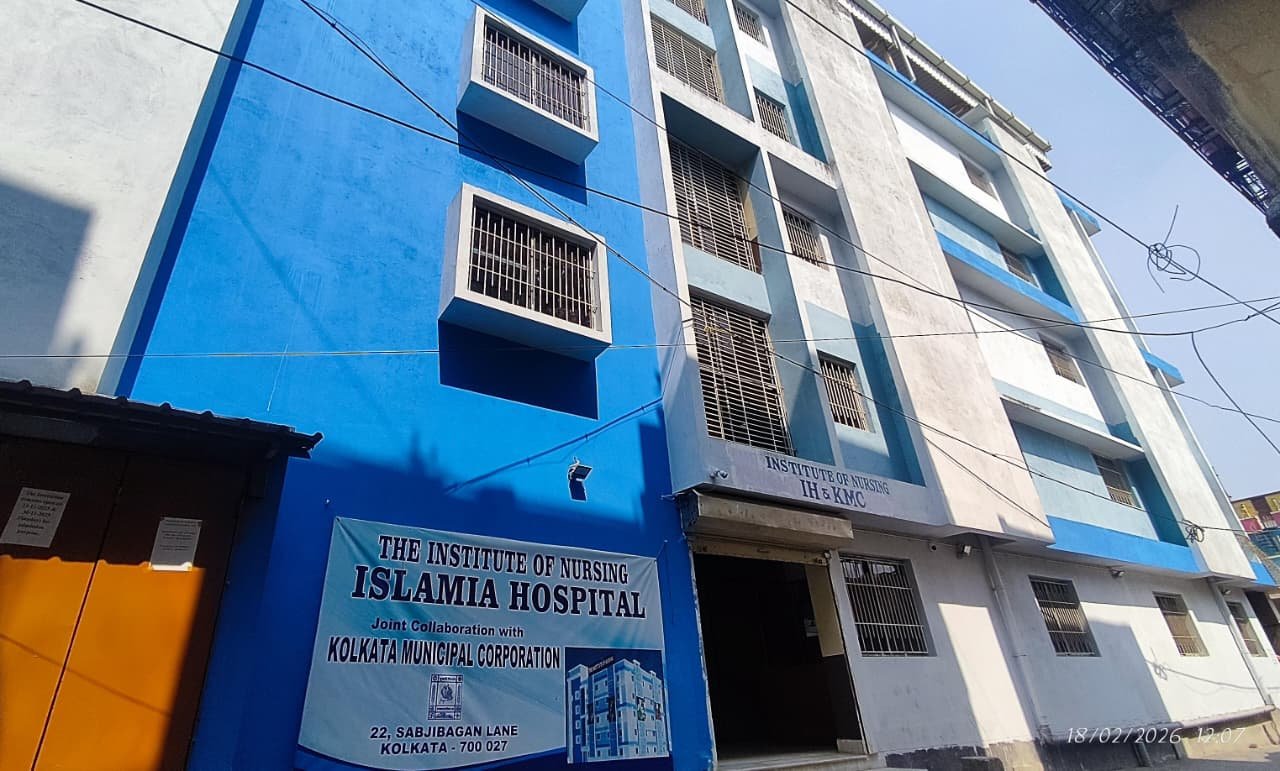
A Home for Nursing Education Since 1955
Managing Committee 2025–2028
Governing Body
Co-opted Members
Special Invitees
Meet Our Nursing Faculty
| Photo | Name | Designation | Qualification |
|---|---|---|---|
|
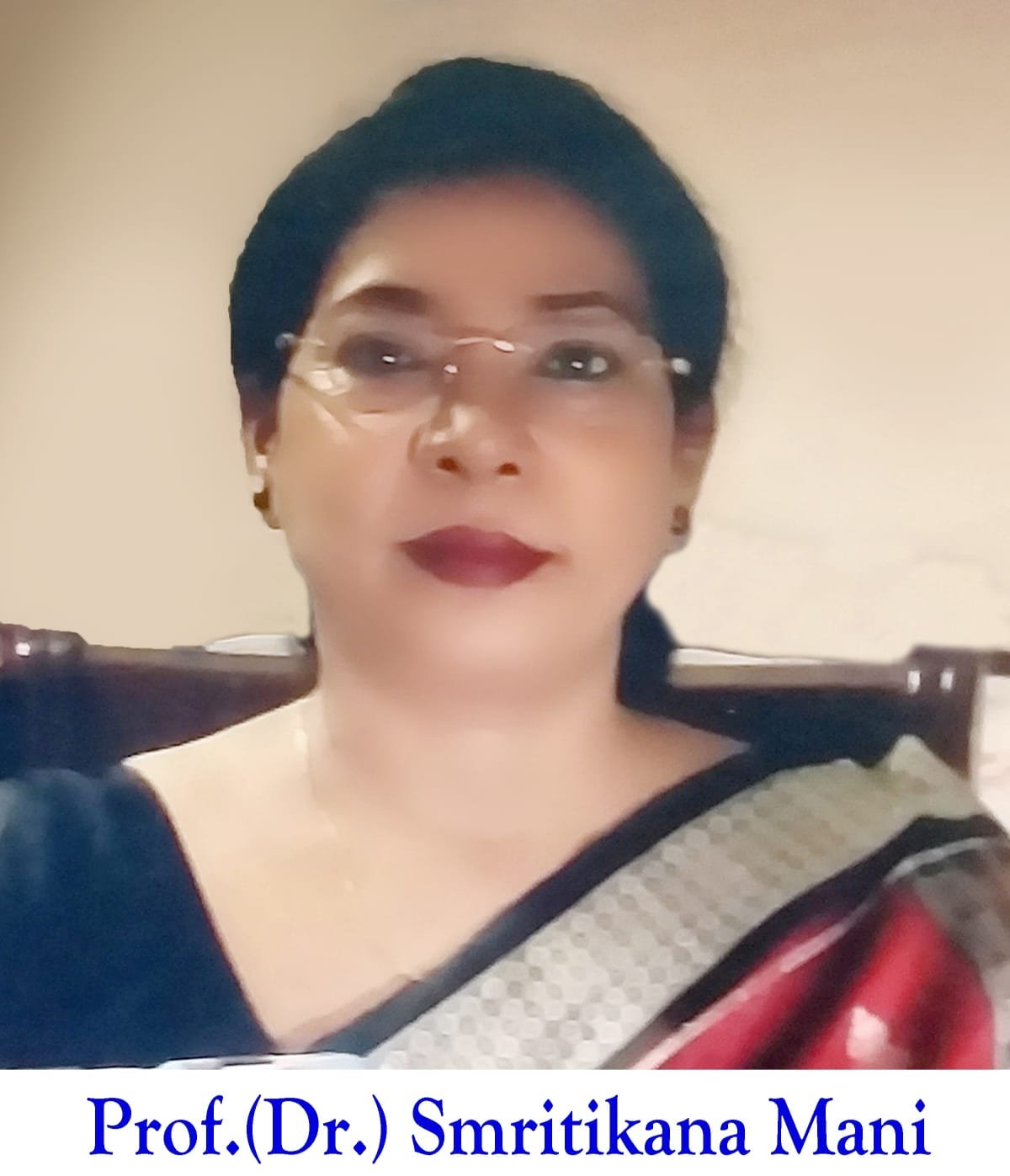
Smritikana Mani | Principal | Ph.D in Nursing, M.Phil, M.Sc in Nursing |
|
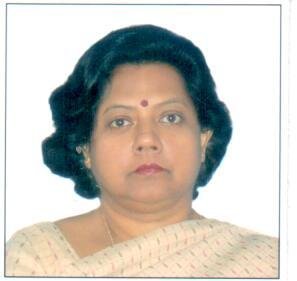
Soma Maiti | Vice-Principal | M.Sc.(N) OBG Nursing |
|
Madhu Chanda Guhathakurta | Associate Professor | M.Sc in Nursing |

|
Aratrika Chatterjee | Senior Sister Tutor | M.Sc.(N) Child Health Nursing |

|
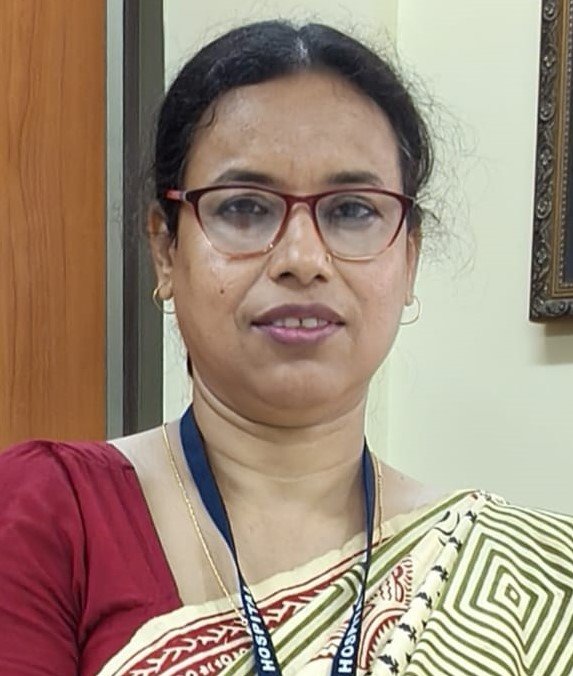
Sanchayeta Jana | Sister Tutor | M.Sc.(N) Medical Surgical Nursing |
|
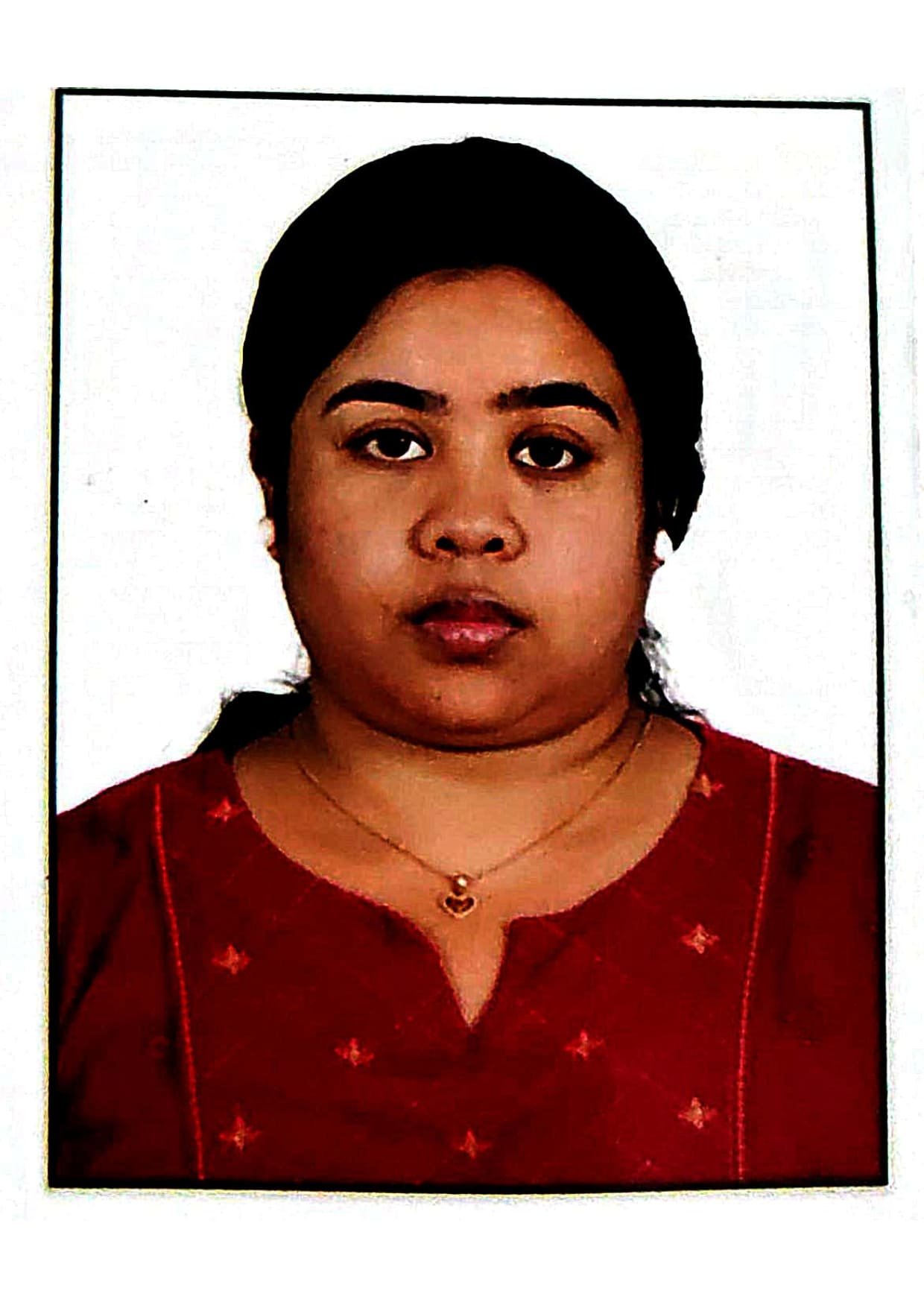
Saraban Tahur Parvin | Senior Sister Tutor | Post Basic B.Sc (H) |
|
Rupanki Biswas | Sister Tutor | B.Sc. (N) |

|
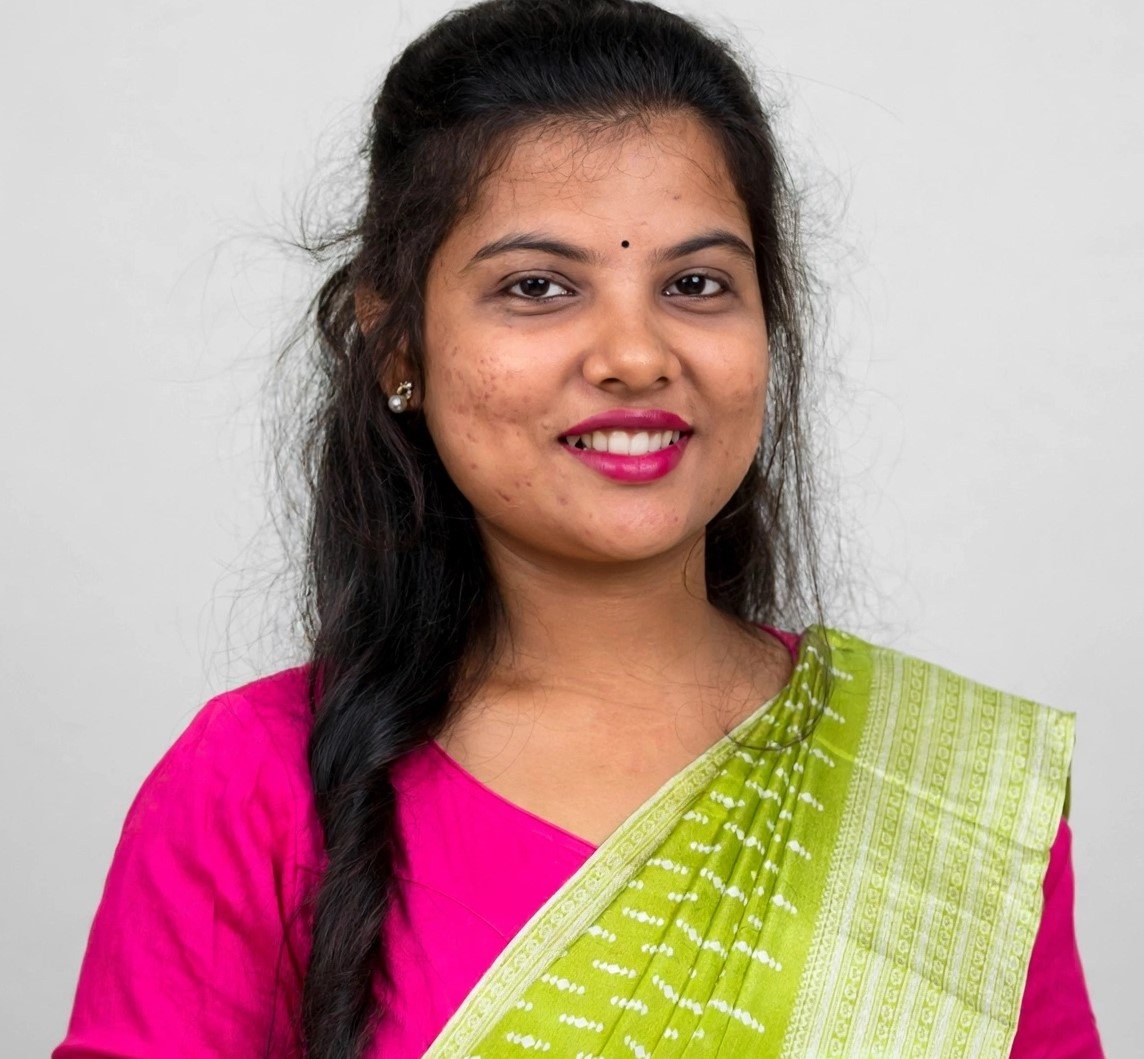
Chameli Dutta | Sister Tutor | B.Sc. (N) |
|
Ankita Mandal | Sister Tutor | B.Sc. (N) |

|
Marufa Khatun | Sister Tutor | B.Sc. (N) |
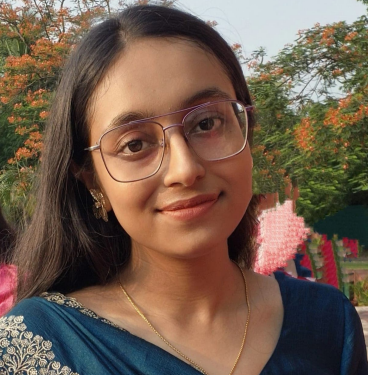
|
Taniya Begum | Sister Tutor | B.Sc. (N) |
Students Will Learn
Our Mission & Vision
The missions of the educational institute (preparing GNM & B.Sc. Nursing students) is to prepare knowledgeable efficient nurses and midwives with clear critical thinking skills who are caring, motivated, assertive and well-disciplined responding to the changing needs of profession, health care delivery system and society, to assume responsibilities as professional in providing promotive, preventive, curative and rehabilitative health care services in any health care settings
who can make independent decisions in nursing situations within the scope of practice, protect the rights of individuals and groups and conduct research in the areas of nursing practice and apply evidence-based practice, who are well behaved, empathetic and efficient communicators to assume role of clinical nurse, practitioner, teacher, supervisor and manager in all health care settings as per their educational level and interest.
To be recognised as an age-old institution of academic excellence offering quality of nursing education to promote health care services, research activities for evidence-based practices inculcating innovations and turning out intellectually enlightened, morally upright, emotionally balanced, socially committed and competent nursing professionals who will be able to cater health care services in both hospital and community settings globally.
Our Philosophy
The institution believes that health and wellness are two fundamental concepts integrated throughout the program — health as a state of well-being spanning physical, psychological, social, economic and spiritual dimensions, and wellness as each individual's own perception of it, shaped by the presence of disease and their ability to adapt. Health is a right of all people, and individuals have a right to be active participants in achieving health as they perceive it.
Society consists of dynamic and interactive systems involving individuals, families, groups and communities, influenced by cultural diversity, race, caste, creed, socio-economic levels, religion, lifestyle, environment and political factors. Nurses and midwives recognise and respect human differences and diversity within society, providing ethical care with respect and dignity while protecting patients' rights.
Nursing as a profession and discipline draws on knowledge from the arts, sciences and humanities, and on human experience. Nursing science brings together clinical competence, critical thinking, communication, teaching-learning, professionalism, caring and cultural competency.
Nurses collaborate with other health disciplines to solve individual and community health problems. Nursing facilitates evidence-based practice and compassionate caring among its practitioners in response to emerging healthcare issues and new discoveries and technologies in the profession.
Nursing practice requires personal commitment to professional development and life-long learning. Its scope spans promotive, preventive, curative and rehabilitative care across the life span in varied healthcare settings, built on knowledge, attitude, competencies and skills developed through the Council's curricular and practice standards.
Nursing offers qualified nurses and midwives a wealth of opportunities in practice, education, management and research, in India and overseas. The undergraduate program is broad-based, directed toward critical thinking and professional values, blending experiential, reflective, scenario-based and simulated learning.
The teaching-learning process encourages mastery learning that is modular, self-directed and self-accountable. Graduates are prepared to become exemplary citizens, adhering to a code of ethics and professional conduct in fulfilling their personal, social and professional obligations.
Health and community orientation are provided with special emphasis on national health problems, national health programs and national health policy directives, in pursuit of universal health care for all citizens of India.
Graduates take on three key roles: a provider of care with beginning proficiency in delivering safe care, a coordinator or manager of care as an active participant of the inter-professional team, and a member of the profession demonstrating self-responsibility and accountability.
Faculty carry the responsibility of being role models, creating a learning environment that cultivates critical thinking, curiosity, creativity and inquiry-driven, self-directed, life-long learning — a process in which students gain the competencies required to function within their scope of practice.